About
Factory Precision. Built Locally.
TRADITIONAL STICK-BUILT
Traditional stick-built construction is remarkably flexible, but it is also inefficient. Materials are delivered to a jobsite, measured and cut one piece at a time, and assembled outdoors by multiple trades over weeks or months. The quality can be excellent, but the process creates material waste, requires significant skilled labor, exposes construction to weather, and makes cost and schedule difficult to predict.
CONVENTIONAL MODULAR
Conventional modular and manufactured housing solves some of these problems by moving much of the construction into a centralized factory. But that model introduces a different set of constraints: expensive production facilities, specialized manufacturing processes, transportation of large completed modules, and, depending on the building classification and jurisdiction, potential zoning, permitting, financing, or siting restrictions associated with factory-built or manufactured housing.
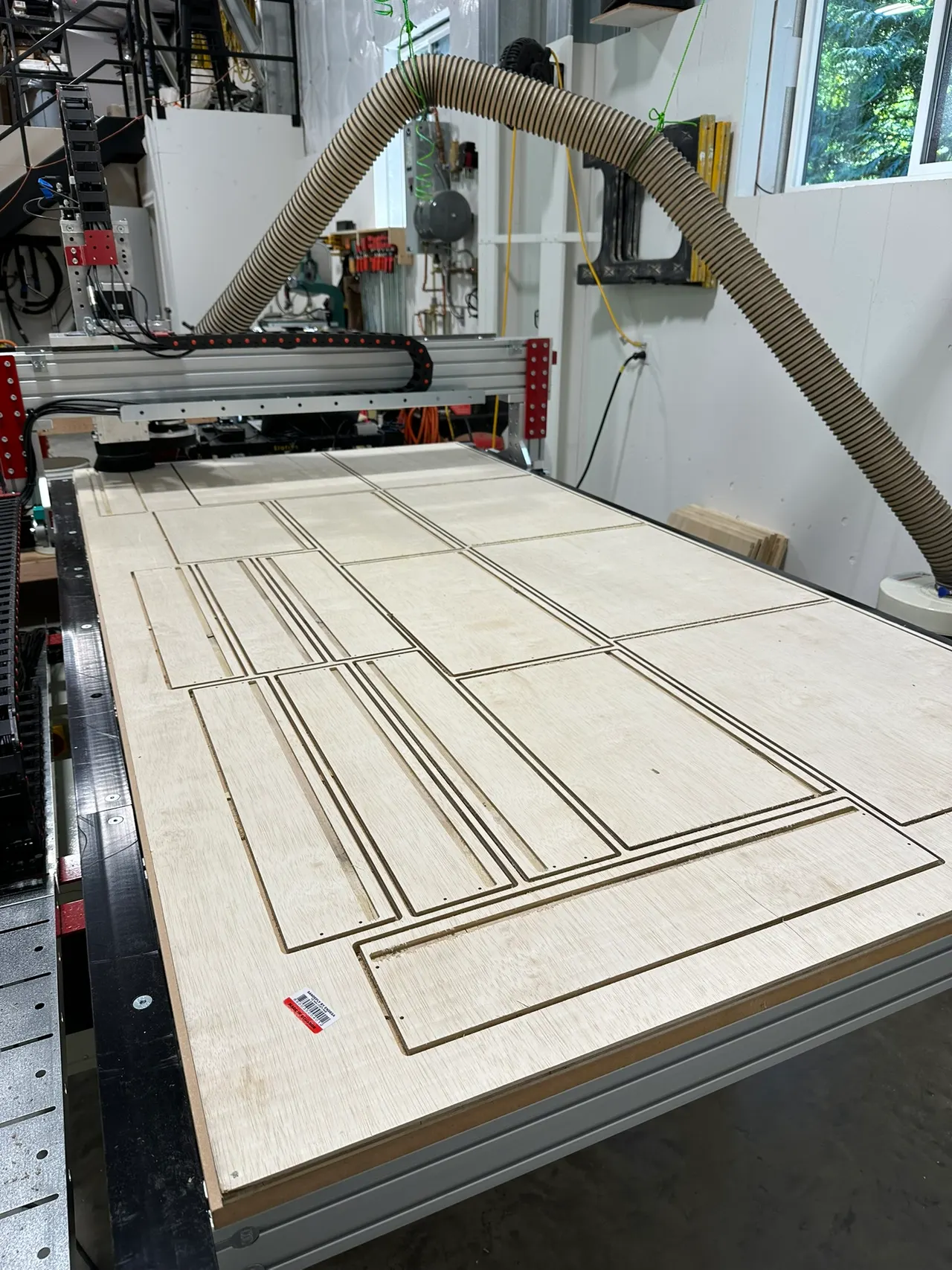
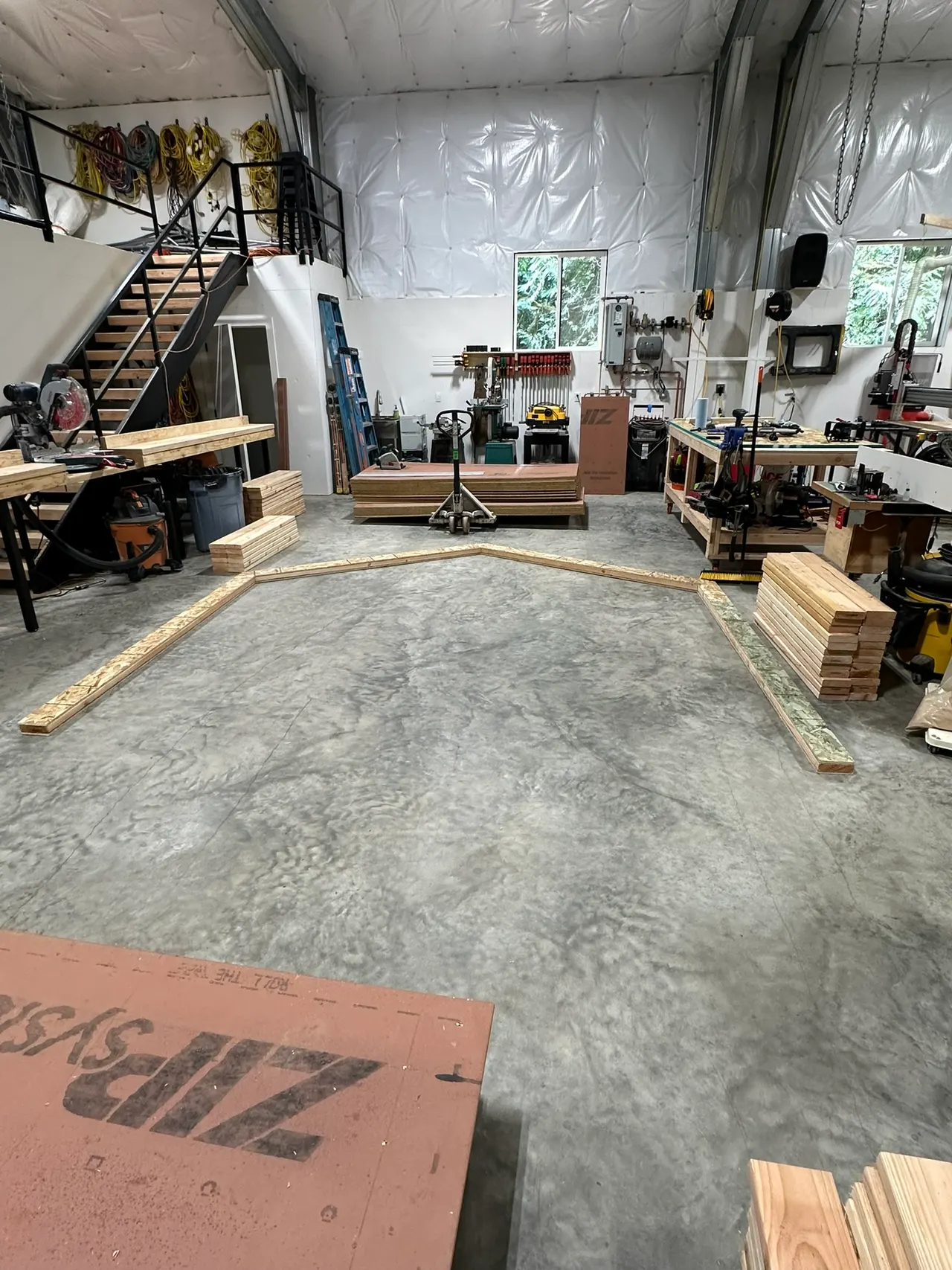
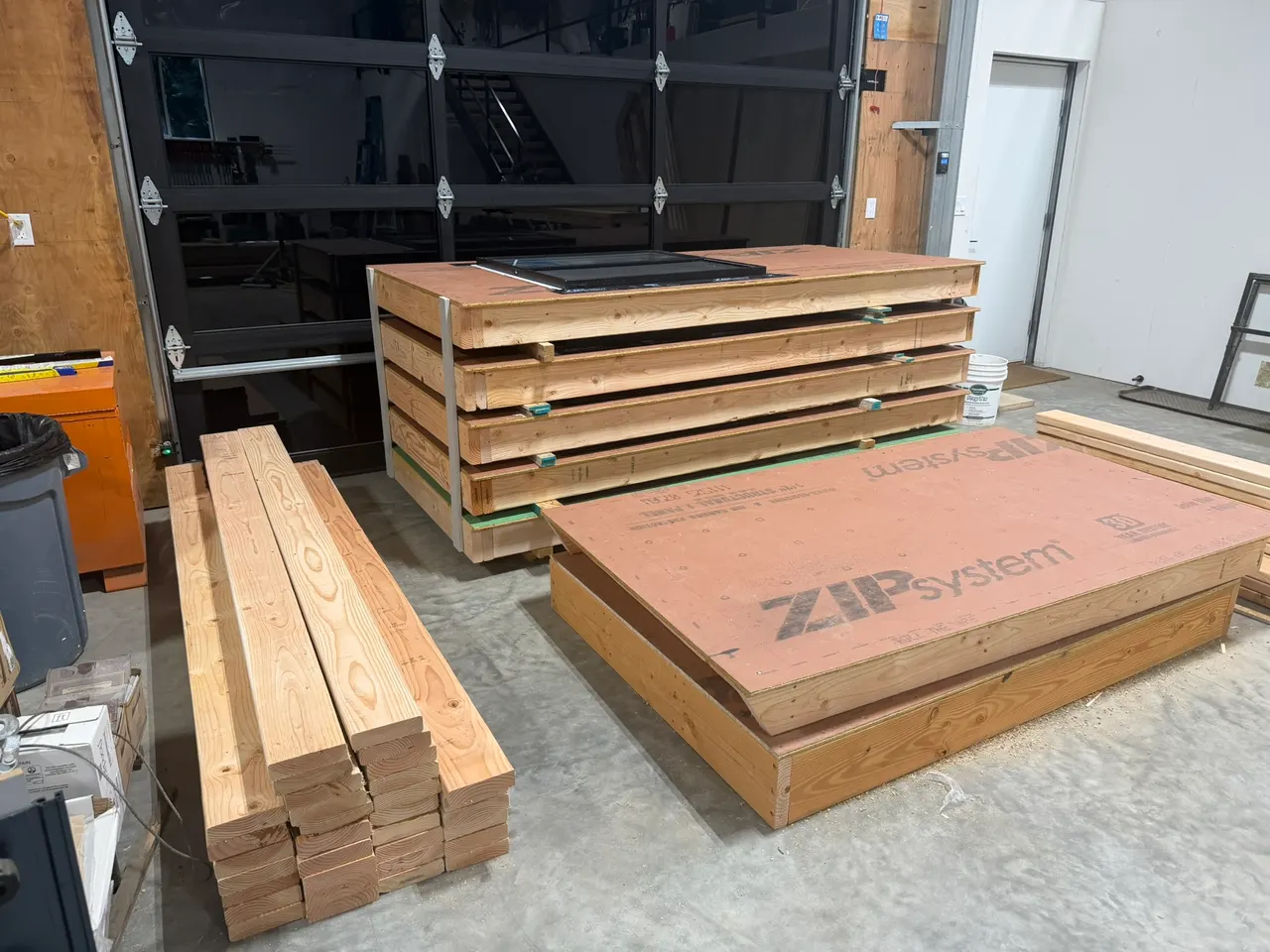
Our panelized system combines the best of both approaches.
We design buildings digitally, then convert those designs into standardized bills of materials, cut lists, CNC files, assembly instructions, and precision-fabricated structural panels. Instead of shipping an entire house from a distant factory, our system allows those components to be manufactured in small, flexible microfactories located close to the project using readily available lumber and building materials, local labor, and a relatively small set of automated fabrication tools.
This distributed manufacturing model retains one of the biggest advantages of traditional construction: materials and labor can be sourced locally. But it adds the repeatability, precision, speed, and process control normally associated with factory-built housing. Components arrive at the site pre-cut and organized for assembly rather than being individually measured, cut, and fabricated in the field. The structure can therefore be erected and dried-in dramatically faster, with less waste, fewer field labor hours, and more predictable costs.
The result is factory precision without the cost and complexity of a traditional factory - and local construction without the inefficiencies of traditional stick-building. Because the manufacturing system itself is portable, production capacity can be established wherever housing is needed rather than requiring every project to be supplied by a distant centralized plant. That means shorter supply chains, lower transportation costs, more local jobs and spending, and a housing platform that can scale from individual homes to entire communities.
See the models